01
Studio.
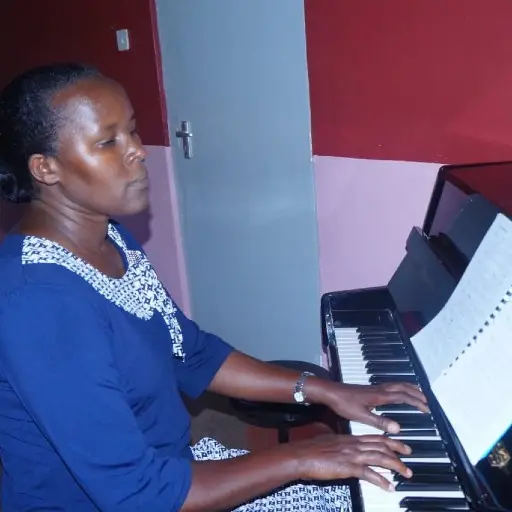
Come to our Kikuyu studio. Private or small-group sessions, in the room with your trainer and a proper instrument.
KES 1,600/ session
Book a studio classSaxophone lessons
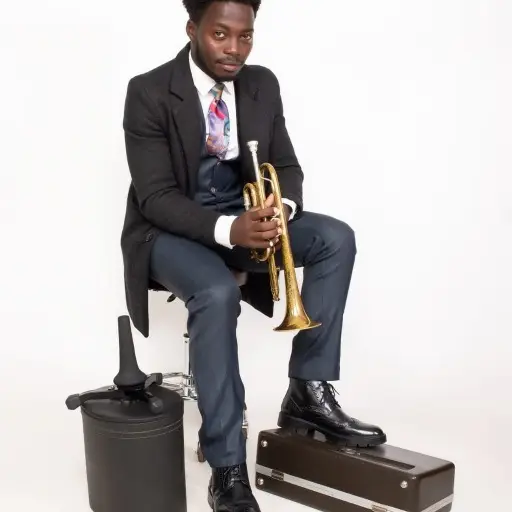
The saxophone is the most vocal instrument in the wind family — and one of the most rewarding to start, because a satisfying sound comes quickly. We teach the embouchure, reed and air that shape your tone, then take you down two roads at once: the discipline of the ABRSM classical syllabus and the freedom of jazz and improvisation. Alto, tenor or soprano, in Kikuyu, Nairobi or live online.
Accreditation
ABRSM Saxophone syllabus
Grade range
Initial – Grade 8 + diploma
Start age
From 9 (alto is the beginner size)
Styles
Classical · Jazz · Improvisation
The journey
Beginner to Grade 8 (ABRSM). Each milestone below is roughly a year of consistent practice; ABRSM certification is recognised worldwide and counts toward UCAS points for university applications.
01
Foundation (Pre-Grade 1).
Fitting the reed and ligature, forming the embouchure (firm corners, relaxed jaw), and producing a steady first note. Assembling and swabbing the instrument without damaging the pads, the first five notes, and reading the treble staff. Reeds explained — strength, soaking and rotation.
Outcome:A clean, controlled tone on the middle register — ready for ABRSM Initial or Grade 1.
02
Grade 1 – 2.
The full low-to-middle range, first scales (G, C and D majors with arpeggios), tongued vs slurred articulation, and three short repertoire pieces. The palm keys introduced. Steady air and breathing plan marked into the music.
Outcome:ABRSM Grade 2 — register secure, reading at sight, ensemble-ready.
03
Grade 3 – 4.
The upper register and the octave key worked thoroughly, faster scales and chromatics, dynamic control, expressive phrasing, and a first structured look at the blues scale and simple improvisation over a 12-bar form.
Outcome:ABRSM Grade 4 — full normal range, soloing and improvising over simple changes.
04
Grade 5 – 6.
Theory Grade 5 (the ABRSM gateway to higher practical grades), advanced scales and modes, controlled vibrato, faster articulation, classical sonata movements, and ii–V–I jazz vocabulary with swing feel.
Outcome:Theory Grade 5 passed — unlocks Grades 6–8.
05
Grade 7 – 8.
Performance-level interpretation, the altissimo register and overtone control, concerto and recital repertoire (Glazunov, Creston), and developed jazz improvisation — transcription, phrasing and soloing over standards.
Outcome:ABRSM Grade 8 — a diploma-entry credential recognised worldwide.
06
Diploma & beyond.
ARSM, DipABRSM and LRSM preparation, plus doubling onto tenor and soprano. For students targeting band and session work, undergraduate music study, teaching, or a serious jazz path.
Outcome:Diploma certification — eligible to teach and perform saxophone professionally.
How you can learn
01
Come to our Kikuyu studio. Private or small-group sessions, in the room with your trainer and a proper instrument.
KES 1,600/ session
Book a studio class02
Trainer comes to you — Muthaiga, Kileleshwa, Kilimani, Upperhill, Milimani. Same faculty, your space, no commute.
Premium · pricing on enquiry
How in-home works03
Live one-on-one over our private classroom. Anywhere with a stable connection — Kenya or abroad.
KES 2,000/ session
Try onlineInside the room
Every session has a rhythm. Here's the shape of a typical hour — adjusted up or down depending on age, grade and what your last week looked like.
00:00 – 00:07
Long tones & warm-up.
Long tones down through the register, checking the reed has soaked and the embouchure stays relaxed. Overtone exercise on a low note to centre the sound, then tune to a piano A.
00:07 – 00:18
Technique focus.
Scale of the week (currently D major, two octaves) and arpeggio, then an articulation drill across the octave-key break — tongued, then slurred, at a metronome.
00:18 – 00:36
Repertoire.
One ABRSM piece in detail — phrasing, breath plan and intonation in the tricky bars worked slowly then up to tempo.
00:36 – 00:50
Improvisation & ear.
Blues scale over a 12-bar backing track — trading four-bar phrases with the trainer, then a short sight-reading passage read cold.
00:50 – 01:00
Practice plan.
Daily targets in the student journal — long tones and overtones first, scales second, repertoire and one improv idea third. Reed rotation noted.
Frequently asked
Almost everyone should start on the alto. It is the most comfortable size to hold, has the easiest embouchure of the family, and is the gateway to switching to tenor or soprano later. Soprano (straight, in tune only with a developed embouchure) and baritone (large and heavy) are not beginner instruments.
Usually from age nine, when hands and front teeth can manage the alto comfortably. Keen younger children often begin on the recorder or clarinet to build breath and reed control, then move to alto sax — the skills transfer directly.
A reliable student alto (for example a Yamaha YAS-280 or equivalent) runs roughly KES 45,000–80,000. Steer clear of the very cheapest unbranded horns — leaking pads and poor intonation make them frustrating to learn on. Budget a little extra for reeds, a mouthpiece cap and cork grease. We can advise and rent some instruments to start.
Both, and they reinforce each other. The ABRSM classical syllabus builds your tone, reading and technique; jazz and improvisation build your ear, time and creativity. We weight the balance to your goals — exam-focused, gig-focused, or simply playing the music you love.
Beginners start on a 1.5 or 2 strength reed and move up as the embouchure strengthens. Rotate between three or four reeds rather than playing one to death — they last far longer and sound more consistent. We cover reed care, breaking in and storage in the early lessons.
Yes — saxophone works well online provided your microphone handles the volume (a basic USB condenser mic helps). We teach in a low-latency private classroom where the trainer can hear your tone, articulation and intonation clearly. Many of our diaspora students learn entirely online.
Yes, and adults often progress fast because they practise with intent. Expect tired embouchure muscles in the first few weeks — that is normal conditioning and passes within a month or two. Adult beginners are welcome at any age.
Yes — families enrolling two or more children receive a multi-child discount automatically applied to the second child onward. Speak to our admin for current rates.
Book your first lesson — your trainer will meet you wherever you are, with a plan tailored to your goals.