01
Studio.
Come to our Kikuyu studio. Private or small-group sessions, in the room with your trainer and a proper instrument.
KES 1,600/ session
Book a studio classPiano lessons
From the first scale to Diploma-level performance, our piano programme follows the ABRSM syllabus and adapts to your goals. Sit in our Kikuyu studio, learn at home in Nairobi, or join live online — same faculty, same rigour.
Accreditation
ABRSM Centre
Grade range
Grades 1 – 8
Formats
Private · Group · Family · Online
First lesson
Free discovery session
The journey
Beginner to Grade 8 (ABRSM). Each milestone below is roughly a year of consistent practice; ABRSM certification is recognised worldwide and counts toward UCAS points for university applications.
01
Foundation (Pre-Grade 1).
Posture, hand position, note-reading on both staves, simple two-hand pieces, basic scales (C, G, F major), and the rhythmic vocabulary you need for Grade 1 entry.
Outcome:Ready to sit ABRSM Initial or Grade 1.
02
Grade 1 – 2.
Coordination between hands, articulation (legato, staccato), one-octave scales and arpeggios in major and minor keys, sight-reading short pieces, and three short repertoire pieces from the ABRSM syllabus.
Outcome:ABRSM Grade 2 standard — passes, merits and distinctions.
03
Grade 3 – 4.
Two-octave scales, contrary motion, dotted rhythms, pedal introduction, expressive phrasing across baroque, classical and contemporary repertoire. Listening tests sharpen aural recognition.
Outcome:ABRSM Grade 4 — confident performance under exam conditions.
04
Grade 5 – 6.
Theory Grade 5 (the ABRSM gateway), four-octave scales, broken chords, advanced sight-reading. Repertoire deepens into Bach Inventions, Beethoven Sonatinas and jazz standards.
Outcome:Theory Grade 5 passed — unlocks higher practical grades.
05
Grade 7 – 8.
Performance-level interpretation, chromatic and double-third scales, complex rhythms, two-piano work, recital preparation. We programme a public end-of-year recital for Grade 7+ students.
Outcome:ABRSM Grade 8 — a recognised diploma-entry credential worldwide.
06
Diploma & beyond.
ARSM, DipABRSM and LRSM preparation — extended repertoire, programme notes, performance practice. For those pursuing a teaching career or undergraduate music study.
Outcome:Diploma certification — eligible to teach piano professionally.
How you can learn
01
Come to our Kikuyu studio. Private or small-group sessions, in the room with your trainer and a proper instrument.
KES 1,600/ session
Book a studio class02
Trainer comes to you — Muthaiga, Kileleshwa, Kilimani, Upperhill, Milimani. Same faculty, your space, no commute.
Premium · pricing on enquiry
How in-home works03
Live one-on-one over our private classroom. Anywhere with a stable connection — Kenya or abroad.
KES 2,000/ session
Try onlineInside the room
Every session has a rhythm. Here's the shape of a typical hour — adjusted up or down depending on age, grade and what your last week looked like.
00:00 – 00:05
Warm-up.
Hanon exercise 1 and a two-octave scale — usually the one we are working toward for the next exam piece.
00:05 – 00:15
Technique focus.
A short isolated drill — hand independence, pedal timing, or whichever fundamental needs the most attention this week.
00:15 – 00:35
Repertoire.
One ABRSM piece worked in detail: phrasing, dynamics, fingering choices, slow practice then up to tempo.
00:35 – 00:50
Sight-reading & aural.
A fresh short piece read cold, then short aural tests — pitch, rhythm, cadence recognition.
00:50 – 01:00
Practice plan.
We write next week's daily targets together in the student journal. Parents of younger students get a copy by email.
The faculty
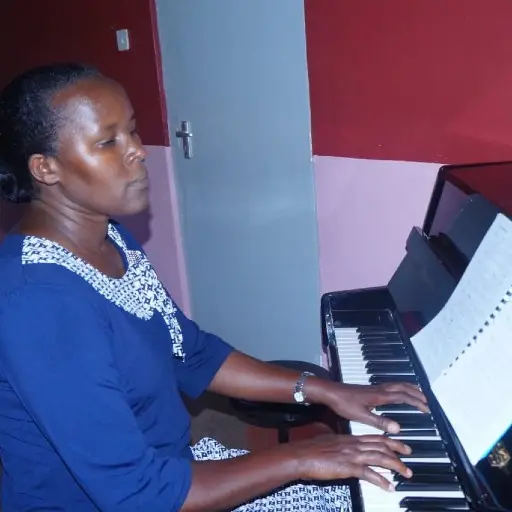
Trainer
piano · vocals · flute · saxophone · recorder · theory · wind · guitar · violin
Available today
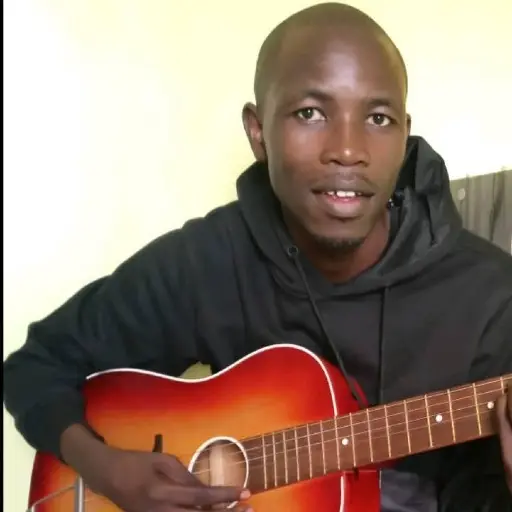
Trainer
guitar · piano · vocals
Available today
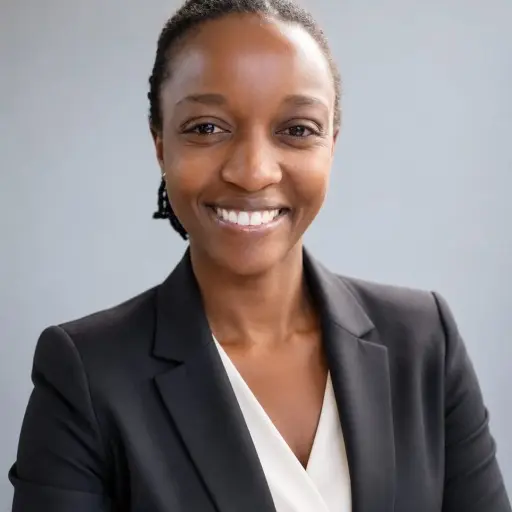
Trainer
piano · recorder · theory · guitar
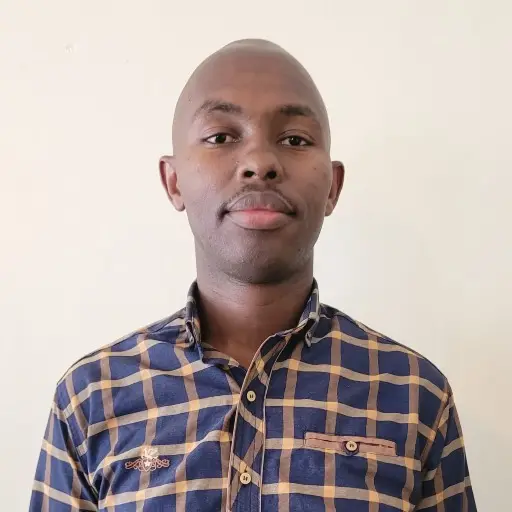
Trainer
piano · guitar
Frequently asked
We accept students from age five upward. Younger learners (ages 5–7) begin in our short-format 30-minute introductory sessions which focus on rhythm, hand position and ear-training before formal note-reading begins.
Yes — adult beginners are a significant part of our student body. Our adult programme runs on flexible evening and Saturday slots and skips the kid-oriented warm-ups, getting straight to repertoire that motivates you (jazz standards, hymns, classical favourites).
A keyboard with full-size weighted keys is fine for the first six months. For Grade 2 onward we recommend an acoustic upright or a high-quality digital piano with a sustain pedal — we can advise on options and arrange affordable rentals.
Concerto Music Place is an ABRSM Examination Centre. We register your child for the exam, prepare them across all four sections (pieces, scales, sight-reading, aural), run mock exams, and the actual exam happens in our familiar Kikuyu studio. Exam fees are KES 1,800 (Grades 1–4) and KES 2,500 (Grades 5–8).
Absolutely. Our online students join from Mombasa, Eldoret, the UK and the US. We use a private classroom with low-latency video and dual cameras (one on hands, one on face) so your trainer sees exactly what you see at the keyboard.
Both, plus everything in between. Several of our faculty came up through church music and gig piano; the ABRSM syllabus is our backbone but the repertoire flexes to what excites you — pop charts, hymns, Hillsong, Hiromi.
Yes — families enrolling two or more children receive a multi-child discount automatically applied to the second child onward. Speak to our admin for current rates.
With consistent 20-minute daily practice, most students reach ABRSM Grade 1 in their first year and add roughly one grade per year thereafter. Adult beginners often progress faster on motivation alone — the limiter is practice time, not age.
Book your first lesson — your trainer will meet you wherever you are, with a plan tailored to your goals.