
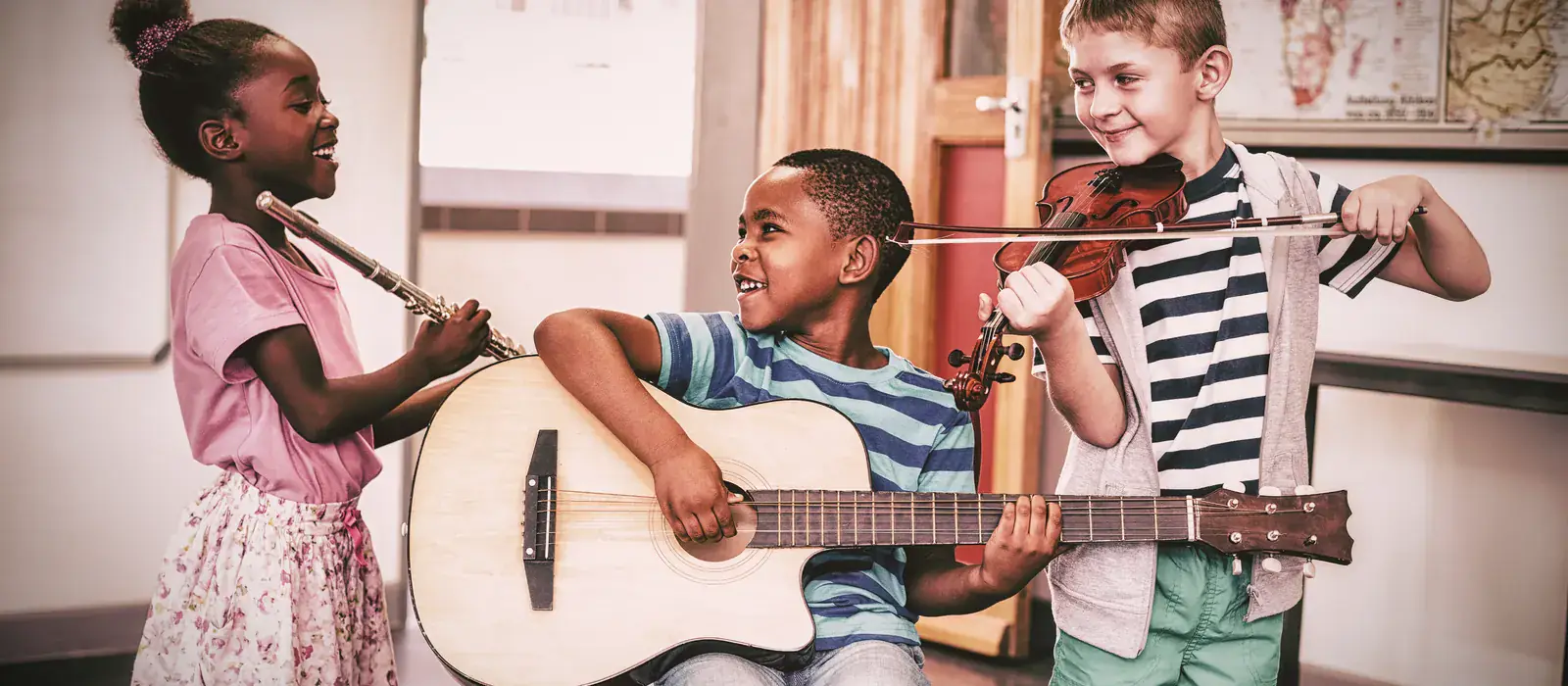
How to choose your child's first instrument — a Kenyan parent's guide
Piano, keyboard, guitar, violin or voice — the first instrument shapes years of practice habits. Here's how Kenyan parents we work with actually decide, and what we wish more of them knew before they bought anything.
 Concerto Team
- # parents
- # beginners
- # instruments
- # piano
- # guitar
- # violin
Every week a parent walks into our studio at Kikuyu with the same opening line: "We've been meaning to start music for a while — what should they learn?" It is, on the surface, a question about instruments. Underneath it is something bigger: how do we set up a child to actually enjoy the next five years of weekly practice, exams, and the inevitable Saturday morning when they would rather be anywhere else?
This guide is the long version of the conversation we have with those parents. It is written for Kenyan families specifically — for the realities of living-room space, Nairobi traffic to lessons, the ABRSM exam pathway most of our students follow, and what is actually buyable in Nairobi instrument shops without an import order. By the end you should know which instrument is right for your child, and roughly what it will cost to get started honestly.
Start with the child, not the instrument
The single most common mistake we see is parents choosing the instrument before they have spent any time watching what the child is drawn to. A six-year-old who hums constantly is telling you something different than a six-year-old who taps every surface in the house. One leans toward voice and melodic instruments. The other is, in our experience, almost always a future drummer or pianist.
Before you commit to anything, watch for a week. Notice what gets their attention when music is on. Notice whether they like to make noise or match noise — the difference matters. Children who match (hum along, repeat a melody back) tend to flourish on melodic instruments first. Children who make (rhythmic tapping, percussion play) often need the physicality of keys or drums to stay engaged through the slow first months.
Age matters more than parents think
The honest answer to "when can my child start?" is "later than you'd like, earlier than you'd think." Here is what we see in practice:
- Ages 4–5: Group early-years music with movement and singing. Not formal one-on-one lessons. Their hands are still developing, and an hour of focus is genuinely beyond them.
- Ages 6–7: Piano, keyboard, and voice. The fingers are ready, reading is starting, and the instrument forgives wrong notes (a six-year-old violinist will sound, frankly, painful for the first six months).
- Ages 8–10: Almost anything. Strings, woodwind, brass all become possible. This is the most flexible age band.
- Ages 11+: Still a great time to start — but choose with intent. By this age the child has opinions, and an instrument chosen against those opinions almost never lasts.
If you have a younger child, please don't try to push past these — we've taught long enough to know how it ends. Wait a year. Use the time to read picture books about composers, listen to music together, and notice what catches them.
The five instruments most Kenyan beginners start with
Piano
The default recommendation for a reason. It teaches both clefs at once, makes music theory visible (notes are physically in order), and the keyboard layout is forgiving in a way no other instrument is. The downside is cost and space — an acoustic upright is a long commitment, and a digital piano with weighted keys is the minimum we recommend for a serious learner. Read our piano vs keyboard guide before you buy anything.
Keyboard
Often confused with piano, structurally different. Keyboards have lighter keys and built-in sounds. They are excellent for the first 12–18 months — affordable (KES 15,000–35,000 for a respectable model), portable, and forgiving of small fingers. Many of our keyboard students in Karen and across Nairobi start here before transitioning to piano around grade 2 or 3.
Guitar
The instrument with the highest cultural pull in Kenya right now. Most teenagers who walk in already want guitar — they've watched the YouTube tutorials, they know what they want to play. The trade-off: pure acoustic guitar is physically harder than piano for the first six months. Steel strings hurt soft fingertips, chord shapes take time to build muscle memory, and there's no visible "left hand / right hand" simplicity. Classical (nylon-string) guitar is gentler on beginners and the standard route through ABRSM.
Violin and strings
Strings reward patience like no other family. The first six months will sound rough — there is no way around it. But families who hold on past the first year find their child has built genuine ear training, posture, and discipline that transfers to everything else. We rent quarter-size and half-size violins to our youngest students through our equipment hire programme so parents aren't buying an instrument the child will outgrow in 18 months.
Voice
The most under-considered first instrument in Kenyan households, and arguably the best one. Voice has no purchase cost. It teaches breath, posture, pitch matching, and language all at once. It travels — your child can practise in the car, in the shower, walking to school. For children who are naturally musical but not yet ready for an instrument's physical demands, formal vocal training from age 7 is one of the highest-return choices a parent can make.
The Nairobi cost reality
Honest numbers, current to 2026, for a child starting from zero:
- Keyboard, decent beginner model: KES 15,000–35,000 outright, or hire from us at KES 1,500/day for the first month while you decide.
- Digital piano, weighted keys: KES 45,000–90,000. Worth it if you're 80% sure your child will stay past year one.
- Acoustic upright piano, used: KES 120,000–250,000 depending on condition. We strongly recommend a tuner inspect any used piano before you pay.
- Classical guitar, beginner-quality: KES 8,000–15,000. The cheapest path to a serious instrument.
- Quarter-size violin, beginner: KES 12,000–20,000 to buy, or hire from us so you can size up as the child grows.
- Voice: KES 0 in equipment. The full investment is in lessons.
Lessons themselves run KES 1,800–2,500 per session at most reputable Nairobi schools, including ours — see our full pricing. The free discovery session is, in our case, a deliberate first step so you can decide before you commit.
The mistake we see most
Parents buy the instrument first, then look for a teacher. Reverse the order. Find a teacher you trust, have a conversation about the child, and let the teacher recommend the instrument. We have steered more than one parent away from a piano purchase toward keyboard hire for the first year, and we have steered others toward voice when they came in asking about violin. The instrument should serve the child, not the other way around.
What to ask a music school in the discovery call
Before you commit, the discovery lesson is the place to surface practical questions that often only emerge three months in. From the conversations we've had with parents who'd already switched schools, here's what we wish they'd asked at the start — of us, or any school:
- Who specifically will teach my child? Not "what's your faculty like" — the actual person's name, their qualifications, their experience with this age range. Reputable schools answer this readily; schools that deflect are often pooling students across whoever is free that week.
- What happens if our trainer leaves? Trainer continuity matters more than parents realise. A school's faculty turnover rate is a fair question.
- How do you handle missed lessons? Make-up policy, school holidays, exam-season pauses. Get the answer in writing.
- What's the weekly practice expectation? A school that says "as much as they want" hasn't thought about it. A school that says "20 minutes daily, building to 30 by month six" has.
- Are exams optional or expected? Different schools approach the ABRSM ladder differently. Know the school's philosophy before enrolling.
- What does year one cost, all in? Lessons, materials, exam fees, recitals, end-of-year performance. The full number, not just the per-session rate.
- Can I observe a lesson? Most schools welcome a parent sitting in for the first one or two. Schools that refuse the request entirely are worth a second look.
Setting up at home matters more than the instrument itself
We've watched families spend KES 150,000 on a digital piano, then put it in the formal sitting room nobody enters. We've watched families with a KES 20,000 keyboard turn a corner of the dining area into a daily music station, and their child progressed twice as fast. The instrument's location predicts engagement more than its price tag does.
Three things to get right in the first week:
- Pick a room the child uses daily. Not the formal sitting room. Not the spare bedroom that requires opening a door. The instrument lives where family life happens — a corner of the family room, sometimes the child's bedroom if they're old enough to self-direct.
- Make it ready to play. Sheet music in a folder, pencil nearby, light switched on, nothing piled on the keyboard. Friction kills practice — every step between "I might play" and "I am playing" is a step where a tired child gives up.
- Headphones if you can. For digital piano and keyboard, a decent pair of headphones lets the child practise at any hour without negotiating with the rest of the household. This single accessory does more for daily practice than any other purchase you'll make.
If they change their mind after three months
It happens. The instrument was the wrong call, or enthusiasm faded, or the trainer wasn't the right fit, or a sibling started something more exciting. We see this in maybe one in eight families during the first six months, and it doesn't mean the family failed at music — it means the first attempt produced information.
What to do depends on which thing changed. If your child has lost interest in music, pause for six months. Music will come back, or it won't, and either is fine. If they've lost interest in the instrument, talk to the trainer about switching — most schools, ours included, will move a student between instruments mid-term without restarting the clock. If they've lost interest in the trainer, ask for a different one before you assume the problem is the school.
What not to do: don't sell the instrument the day they ask to quit. Children's enthusiasm cycles. The instrument put in the cupboard for six weeks often comes back out by itself, especially if older siblings or visiting relatives play it casually. Quitting is a six-month decision, not a six-day one.
If you're ready to start that conversation, our team teaches in eight instrument families from our Kikuyu studio, online, and in-home across Nairobi. Book a discovery session — the first one is a free discovery session, designed for exactly this decision.
Share this piece
WhatsAppContinue reading
More from Guides.
Guides
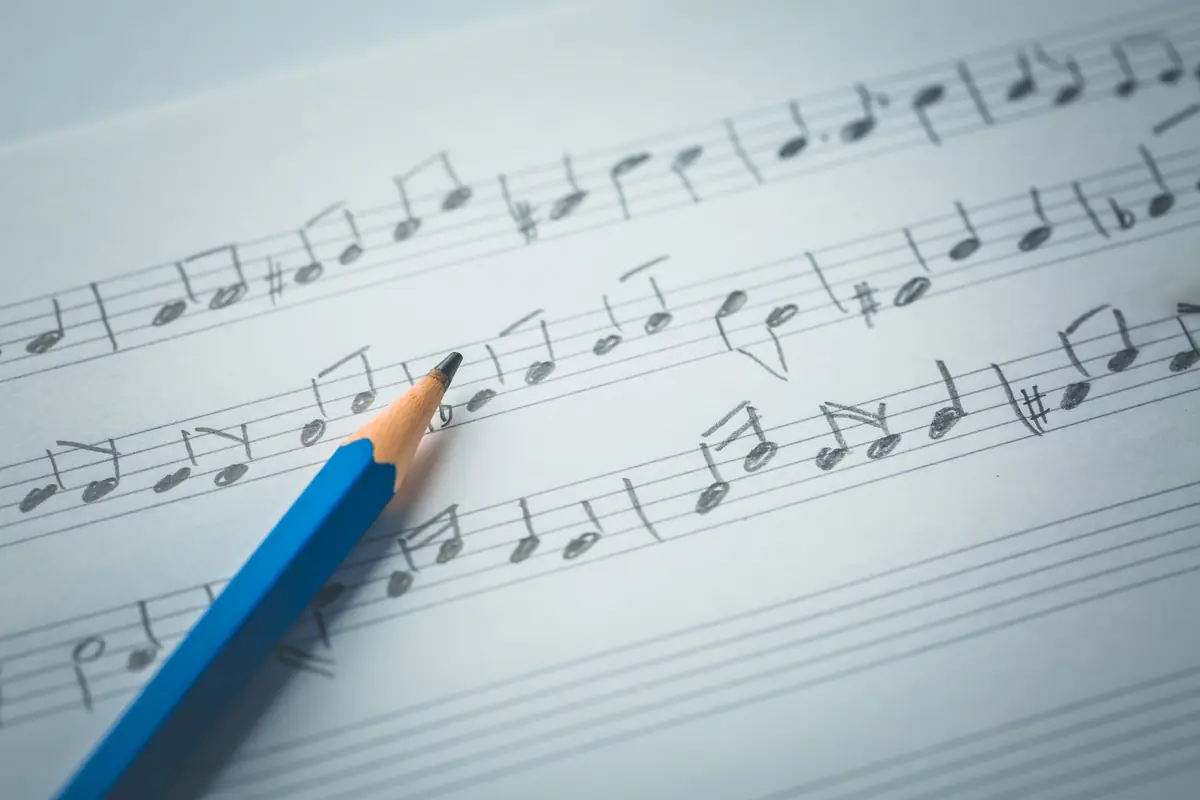
Ready for your ABRSM exam? How we check before you pay to sit it
ABRSM entry fees aren't small, and they climb with every grade. So before any Concerto student books an exam, we run an honest readiness check — a full mock under real conditions. If you're not ready, we say so. Here's exactly how we decide.
Concerto Team · 5 min read
Guides
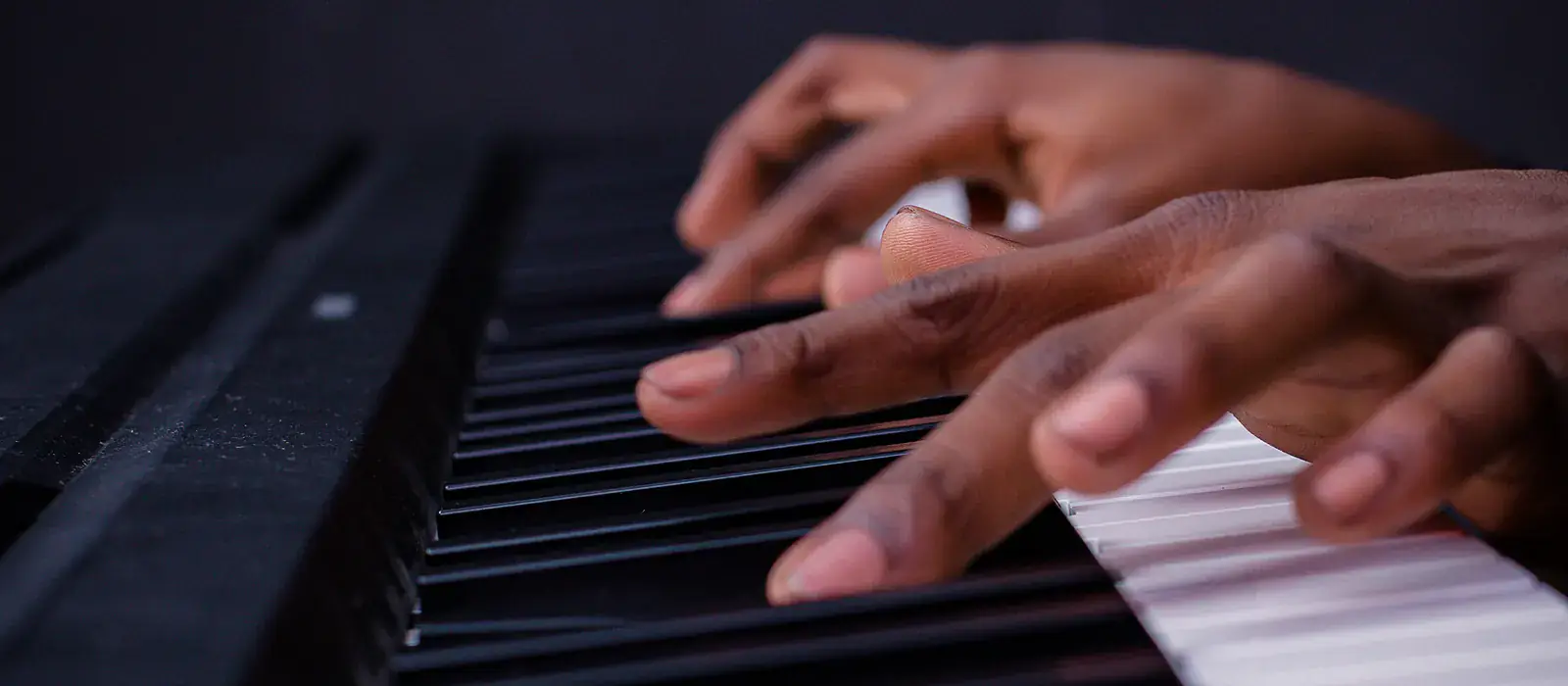
Piano vs Keyboard for beginners — what to buy in Nairobi, and why it matters
They look similar, cost very different things, and produce wildly different learners. A practical guide to choosing — and what we actually tell parents who walk into our Kikuyu studio with this question.
Concerto Team · 8 min read
Guides
The ABRSM exam pathway, explained for Kenyan students and parents
Grade 1 to grade 8, prep tests, theory exams, performance grades — what the ABRSM ladder actually looks like in Kenya, what each grade asks of a student, and how to use exams as motivation rather than pressure.
Concerto Team · 8 min read
Ready to try a lesson?
Free discovery session at our Kikuyu studio, in-home across Nairobi, or live online. We'll be honest about whether we're the right fit.